


Transportation leaders have spent the last decade investing in technology.
Transportation Management Systems (TMS), Warehouse Management Systems (WMS), Electronic Logging Devices (ELDs), GPS tracking, customer portals, carrier APIs, telematics, and real-time shipment visibility have become standard components of modern logistics operations.
Yet despite these investments, many operations teams still start their mornings the same way:
- Which shipments are running late?
- Has the carrier confirmed the pickup?
- Where is the Proof of Delivery (POD)?
- Why hasn’t the customer received an update?
- Which appointment changed overnight?
- Why hasn’t billing received the delivery documents?
- Which loads require immediate attention before customers start calling?
The problem isn’t a lack of data.
The problem is exception management.
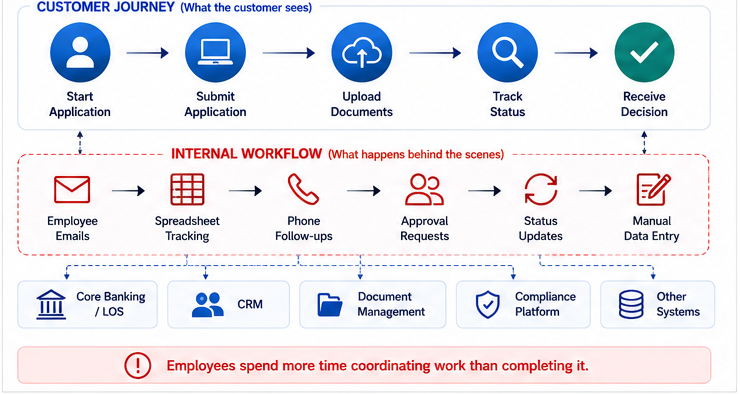
For many mid-sized transportation and logistics organizations, the majority of operational effort no longer goes into executing planned shipments—it goes into identifying, coordinating, communicating, and resolving the shipments that deviate from plan.
As freight networks become more interconnected and customer expectations continue to rise, exception management has quietly become one of the largest hidden operational costs in logistics.

What Exactly Is an Operational Exception?
Many executives think of exceptions as major disruptions:
- Weather events
- Vehicle breakdowns
- Customs delays
- Warehouse closures
Those events certainly matter.
However, most operational costs come from thousands of small exceptions that individually seem insignificant but collectively consume a large portion of the workday.
Common examples include:
- Driver running 30 minutes behind schedule
- Appointment time changes
- Carrier status not updated
- Missing Proof of Delivery
- Incorrect Bill of Lading information
- Delivery address clarification
- Inventory discrepancies
- Missing shipment documentation
- Customer requesting ETA updates
- Billing waiting for delivery confirmation
- Warehouse unable to locate freight
- Manual rate approval requests
- Dispatch needing to reassign equipment
None of these issues typically halt operations.
Instead, they create friction that forces employees to stop planned work and begin coordinating across departments.
The Hidden Work Nobody Measures
Most logistics organizations measure:
- On-Time Delivery (OTD)
- Cost Per Mile
- Fleet Utilization
- Warehouse Throughput
- Trailer Utilization
- Order Accuracy
These metrics are valuable.
What often goes unmeasured is the operational effort required to maintain those numbers.
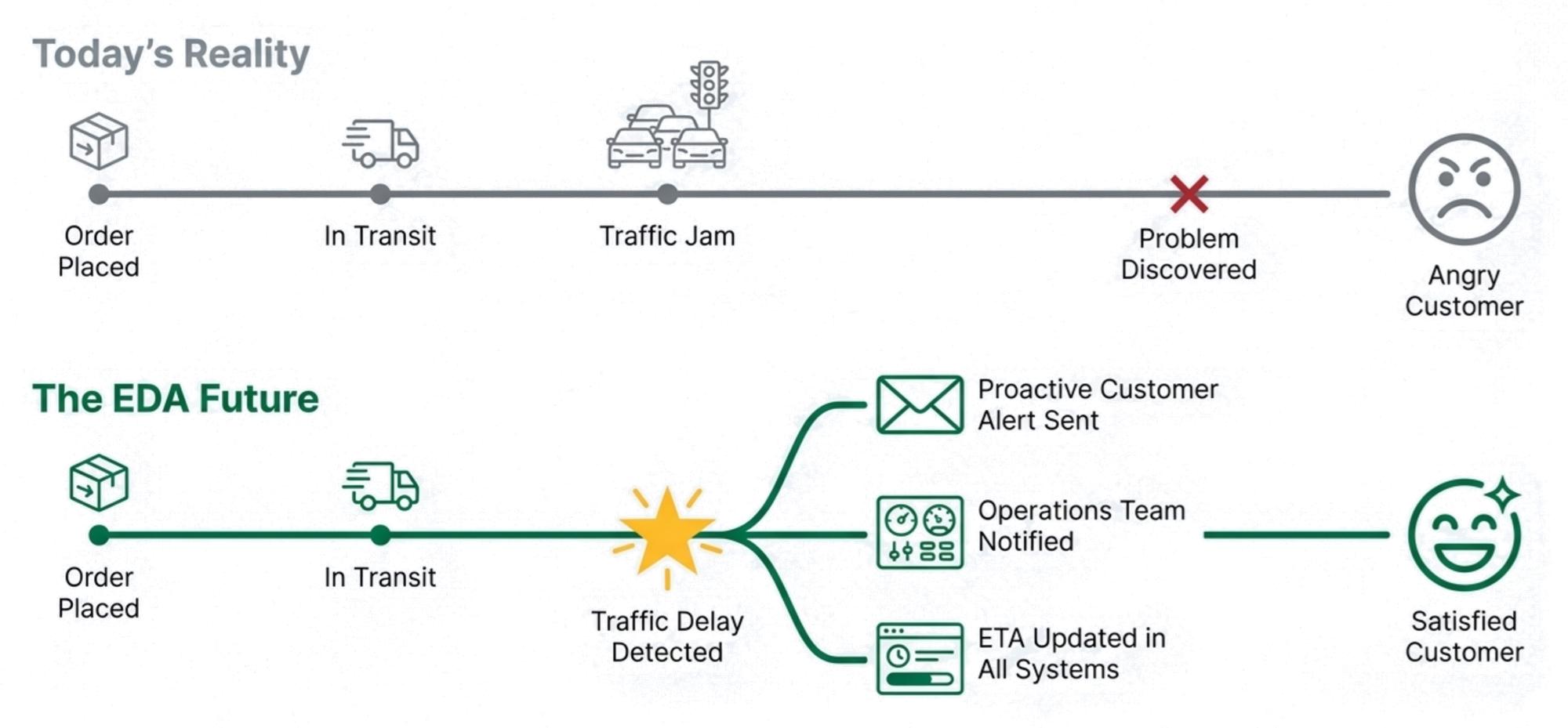
Consider a single delayed shipment.
It rarely affects just one person.
Instead, it triggers work across multiple teams:
Dispatcher
- Contacts the driver
- Updates the TMS
- Checks appointment windows
Customer Service
- Responds to customer inquiries
- Provides revised ETAs
- Documents conversations
Warehouse
- Adjusts dock schedules
- Reallocates labor
- Reschedules receiving
Billing
- Waits for updated documentation
- Resolves invoice timing issues
Operations Manager
- Reviews escalation
- Prioritizes affected shipments
- Coordinates internal teams
One shipment can involve multiple employees before it reaches its destination.
Multiply that by hundreds of daily shipments, and exception management becomes one of the largest consumers of operational capacity.
The Real Cost Isn’t Transportation—It’s Coordination
Transportation costs are visible. Operational coordination costs are not.
Organizations typically account for:
- Fuel
- Driver wages
- Equipment
- Maintenance
- Freight costs
Far fewer measure:
- Time spent making follow-up phone calls
- Manual email chains
- Status meetings
- Spreadsheet updates
- Duplicate data entry
- Internal approvals
- Searching across multiple systems
- Re-entering shipment information
- Customer update requests
These activities don’t move freight.
They move information.
Unfortunately, they often require experienced employees whose time could be better spent on higher-value decisions.
Why More Visibility Hasn’t Solved the Problem
Many organizations have improved shipment visibility through GPS, IoT devices, and carrier integrations.
Knowing where a shipment is has become easier than ever.
However, visibility alone doesn’t answer the questions operations teams actually ask:
- Which delay requires immediate action?
- Which customer should be contacted first?
- Which shipment will impact downstream warehouse schedules?
- Which exception can safely wait until tomorrow?
- Which issue is likely to create detention charges?
- Which shipment is missing documentation needed for invoicing?
Raw data doesn’t prioritize work.
Operations teams still spend valuable time deciding what matters most.
The Shift from Monitoring Shipments to Managing Work
Leading logistics organizations are changing how they think about operations.
Instead of asking:
“Where are my shipments?”
They increasingly ask:
“Where should my team focus right now?”
This subtle shift changes the role of technology.
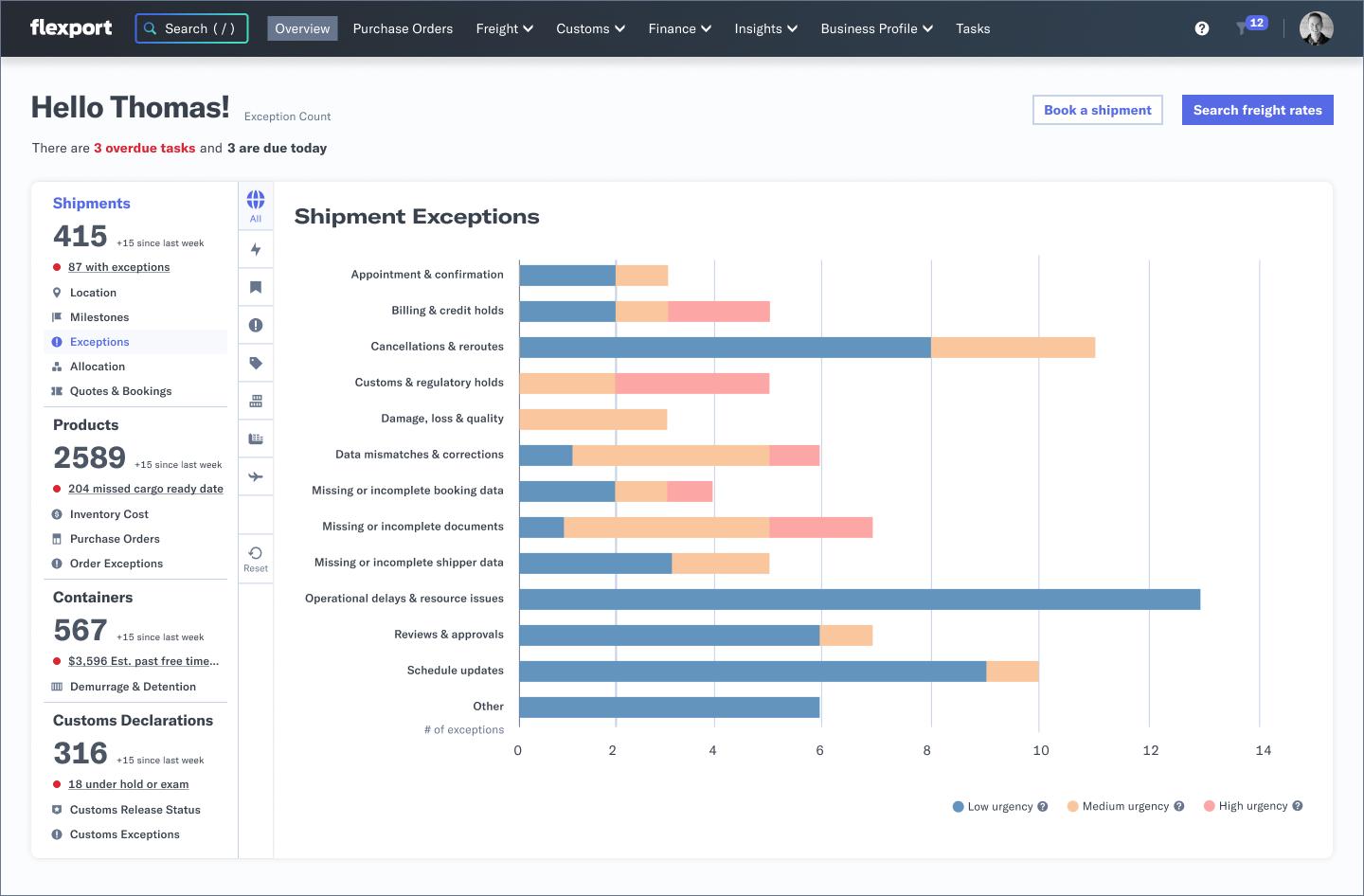
Rather than displaying every shipment equally, modern operational workflows emphasize:
- Prioritized exception queues
- Context-aware alerts
- Automated task creation
- Cross-functional collaboration
- Standardized response procedures
- Escalation based on business impact rather than notification volume
The objective is not to generate more alerts—it is to reduce the time required to identify, understand, and resolve the exceptions that matter most.
AI’s Practical Role in Exception Management
Artificial intelligence is often associated with autonomous vehicles or fully automated supply chains.
In reality, its most immediate value lies in helping operations teams process information more efficiently.
Practical applications include:
- Summarizing multiple shipment updates into concise operational briefs
- Grouping related exceptions that share a common cause
- Identifying shipments most likely to miss customer commitments
- Highlighting documentation gaps before invoicing is delayed
- Suggesting next steps based on historical resolution patterns
- Automatically routing issues to the appropriate team
- Drafting customer status updates for review before sending
In each case, AI supports human decision-making rather than replacing it.
This approach aligns with the growing emphasis on governed AI—where recommendations are transparent, auditable, and subject to human oversight.
Why Integration Matters More Than New Software
One common misconception is that improving exception management requires replacing existing systems.
In many cases, organizations already have capable platforms for transportation, warehousing, finance, and customer service.
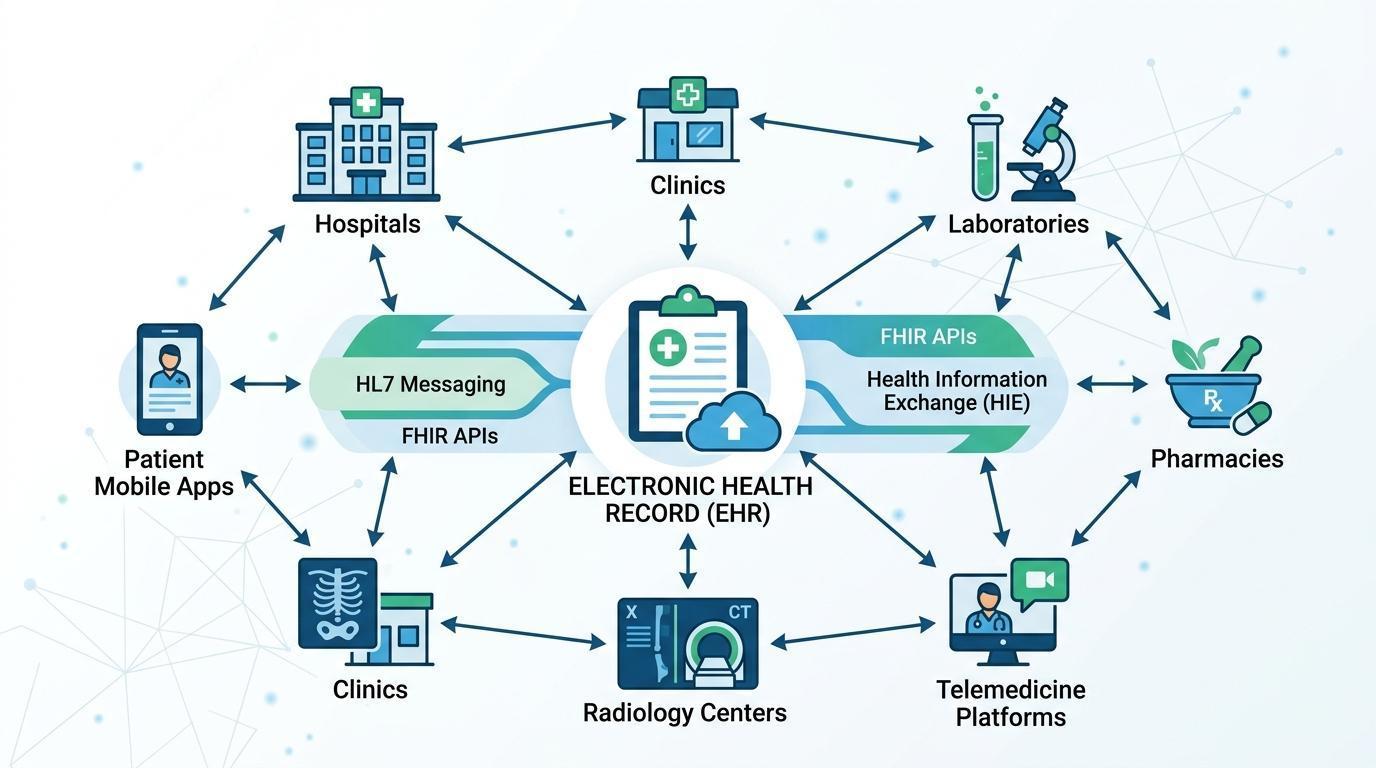
The challenge is that these systems often operate independently.
A shipment delay recorded in the TMS may not automatically update the customer portal.
A completed delivery may not immediately trigger invoicing.
A warehouse scheduling change may not be visible to transportation planners.
Connecting these workflows through well-designed integrations can reduce manual handoffs, improve information flow, and give teams a more consistent operational view without requiring a wholesale system replacement.
Executive Questions Worth Asking
Operational leaders don’t need more dashboards—they need better questions.
Consider the following:
- How many manual touches does an average shipment require?
- Which exceptions occur most frequently?
- How long does it take to identify a high-priority issue?
- How many departments participate in resolving a typical exception?
- Which updates are still communicated through email, phone calls, or spreadsheets?
- Where does duplicate data entry occur?
- Which operational decisions rely on incomplete or delayed information?
- How much dispatcher time is spent coordinating rather than optimizing?
The answers often reveal opportunities for measurable efficiency gains.
Looking Ahead
As transportation networks continue to grow in complexity, competitive advantage will increasingly depend on how effectively organizations manage operational exceptions.
Companies that reduce manual coordination, improve workflow visibility, and prioritize meaningful operational insights will be better positioned to:
- Improve customer responsiveness
- Increase employee productivity
- Reduce avoidable operational costs
- Scale without proportional increases in headcount
- Deliver more consistent service across expanding transportation networks
Technology will remain an important enabler, but the real transformation lies in redesigning how work moves through the organization—not simply how shipments move through the network.
Final Thoughts
Exception management has always been part of logistics.
What has changed is its impact.
As transportation networks become more complex, customers expect faster communication, and operations teams are asked to do more with the same—or fewer—resources, the cost of managing exceptions continues to grow.
The organizations seeing the greatest improvements aren’t necessarily those investing in entirely new technology. More often, they’re taking a closer look at how work moves across dispatch, customer service, warehousing, finance, and transportation—and removing the manual friction that slows decisions and creates unnecessary effort.
By making exception management more visible, connected, and data-driven, logistics leaders can improve responsiveness, reduce operational overhead, and create a stronger foundation for sustainable growth.
A Question Worth Asking
Every logistics operation develops its own ways of handling exceptions over time. Some workflows are highly efficient, while others quietly rely on manual coordination, spreadsheets, emails, phone calls, or repeated data entry that no longer adds value.
If you were to map the journey of a delayed shipment through your organization today, how many people, systems, and manual touchpoints would be involved before the issue is resolved?
The answer often reveals opportunities that aren’t visible in standard operational reports.
If you’re curious about where those opportunities might exist in your own organization, we’d be happy to conduct a complimentary operational workflow analysis. We’ll review your current transportation, warehouse, and support workflows to help identify manual bottlenecks, integration gaps, and areas where practical automation or AI could simplify operations—without assuming you need to replace the systems you already have.
Whether or not you choose to act on the findings, the goal is simply to provide an objective view of where operational complexity may be costing more time and effort than expected.
Contact Netforth Software Solutions
Contact us